

Medical & Mobility Supplies in Bulk

Oral Care Products, Wholesale Prices

Skincare Essentials in Bulk
top vendors in health care

best selling products








featured products










Hand Sanitizers for Every Business

Reliable Medical Instruments

Wholesale Vision Care Essentials
Recommended for you
Lanolin Strawberry Lip Balm To Comfort Dryness and Flaking
by Superlan USA
 US
US 

Wholesale Magnesium Tallow Balm With Skin Nourishing Formula
by Bashka Myers
US 
Frankincense and Myrrh Balm For Pain and Inflammation Relief
US 
Herbal Infused Menstrual Comfort Essential Oil Roll On Blend
by Yogi.c Box
US 
Linden and Coffee Soap With The Richness Of Olive Oil
by Appia Luffa
 CA
CA 
Energy B12 Gummies Pack of 12 To Support Nerve Health
by Bevolto
US 
Wholesale Lavender Lip Balm With Botanical Extracts
by Forev'Herbs
US 

Wholesale Menstrual Support Supplements For Menstrual Balance
US 

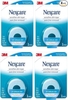
Nexcare Sensitive Skin Low Trauma Tape With Water Resistance
by Elite Supply
US 


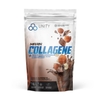
Best Marine Collagen Powder With Chocolate hazelnut flavor
US 
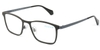
Blue Full Rim Square Eyeglasses With Fashionable Look
by EyeManic
 Blac
Blac Red
Red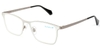 grenn US
Wholesale Raw Organic Cherry Lemon Kombucha With Vitamin D
US 
Good Vibes Hand Sanitizer Gel With Non Sticky Texture
by Warm Human
US 
Wholesale Tibetan Tingsha Cymbals Bells For Meditation
 design
 simple US
The healthcare industry is booming. The U.S. spent twice as much on healthcare as other countries in 2021.
The reason?
You might be quick to point at doctors, nurses, and other healthcare professionals drawing in big paychecks.
The real driver is healthcare products.
Here’s the breakdown: Hospitals need a constant supply of medical equipment to keep running. Surgeons rely on precise, high-quality instruments to perform surgeries. And patients? They need the right medicines to fight off their illnesses.
In short, healthcare services without healthcare products are nothing!
So, the rising demand for these products has significantly increased spending in this category. In fact, revenue in this sector is projected to reach a remarkable $16.81 billion in 2023.
And that’s just the start.
With an annual growth rate of 12.71%, the market volume is expected to hit $27.13 billion by 2027.
What could this mean for businesses in the healthcare industry, particularly those in retail and wholesale? A great opportunity!
By purchasing healthcare products in bulk, you’ll not only meet demand but also position your business for massive profits.
High-Performing Healthcare Segments
Analyzing Google Trends Data from the past 5 years reveals several healthcare products that are consistently popular in the U.S.
Surgical supplies and equipment
By product, handheld surgical instruments dominated the market in 2019 and it is projected that they’ll retain their dominance until 2027.
These include forceps, dilators, graspers, cannulas, etc.
Another segment you’ll want to keep on your radar is disposable surgical equipment.
Here’s why:
Surgeons across the board are increasingly favoring disposable tools for different procedures as they eliminate the need for sterilization after each use.
Interestingly, this segment is expected to record the highest CAGR from 2020 to 2027.
Medical scrubs
The market size for medical scrubs is forecasted to grow from USD 4923.9 million to USD 7598.73 million by 2028 (CAGR: 7.5%).
In this segment, products like surgical drapes, lab coats, gloves, and facial protection gear are in high demand.
Dietary supplements
With 80% of Americans taking supplements, the dietary supplement market is set to grow from $163.9 billion in 2022 to $327.4 billion by 2030.
This growth is expected from both:
● Mainstream supplements like multivitamins, Vitamin D, collagen, and whey protein
● New product categories like sleep gummies, Irish moss, and mushroom coffee
Dental equipment and supplies
As oral health awareness grows, so does the demand for dental supplies— from basic items such as toothpaste, toothbrushes, and floss to specialized dental equipment such as diagnostic devices, teeth whitening kits, dental chairs, etc.
Therefore, including these products in your business offerings presents an opportunity to meet the market demand while saving on costs.
How? The answer lies in bulk purchasing.
When you buy in bulk, the cost per unit typically decreases. This means you can stock up on products at a lower total cost which can significantly improve your profit margins.
Also, placing larger orders can save you time compared to making multiple smaller purchases.
Wearables & remote monitoring devices
Wearables and remote monitoring devices have been gaining popularity because they can track a patient's health status, including heart rate, blood pressure, and physical activity.
Moreover, these devices aren’t just for fitness enthusiasts; they’re also becoming essential for managing chronic conditions, such as diabetes and hypertension.
Glucose monitors, smart insulin pumps, and cardiac monitoring wearables could be a good choice in this regard.
E-commerce: Shaping the Future of Healthcare Product Purchases
People are increasingly turning to online marketplaces to purchase medicines and other healthcare products without leaving their homes.
As a wholesaler, distributor, or retailer, this trend presents an excellent opportunity to expand your reach.
By listing your products on an online marketplace, you can get noticed by more businesses interested in bulk purchases.
Moreover, having an online presence allows you to diversify your income streams and generate sales from both your physical (if you have one) and online stores.
Legal & Regulatory Guidelines
Selling goods within this segment requires adherence to several legal and regulatory standards in the U.S., which include:
General Conformity Certificate (GCC)
For certain non-children's products (including healthcare products), a General Certificate of Conformity is required. This certificate attests your products meet all applicable federal consumer product safety regulations.
Remember, compliance is not just about avoiding legal issues, but also about ensuring the quality of your products. This can strengthen your relationship with customers who will likely appreciate the fact that your products are safe for use.
Reporting Unsafe Products
The Consumer Product Safety Commission (CPSC) requires businesses to report unsafe products.
As a business owner, getting written assurance from the manufacturer or others in the supply chain can help protect your business.
Be mindful that failure to report known hazards can result in penalties.
Product Labeling
According to CPSC, all products should have a tracking label which must include information such as:
● Manufacturer or private labeler
● Production location and date
● Manufacturing process details
The labels must be permanently affixed to the product.
So, when buying healthcare products in bulk, you should ensure that the products are properly labeled.
Prescription medicines
According to the FDA, drugs that can be habit-forming or toxic (like muscle relaxers, medications for insomnia, and weight-loss medications) require a prescription.
All other drugs can be sold OTC (over the counter).
As a wholesaler, you must ensure that prescription drugs are handled properly and sold only to licensed retailers who have the legal means to sell them.
Restrictions on certain medications
The Combat Methamphetamine Epidemic Act of 2005 bans the sales of cold medicines that contain pseudoephedrine. So, it is crucial to stay up-to-date with these regulatory changes and adapt your inventory and sales practices accordingly.
Back to top
Copyright 2026 Seebiz Inc. All rights reserved